
01Hardware index
Nine categories we source.
No prices and no stock levels on this page, because both move week to week. Tell us the spec and how many you need, and we will price it properly.
Index key
 09
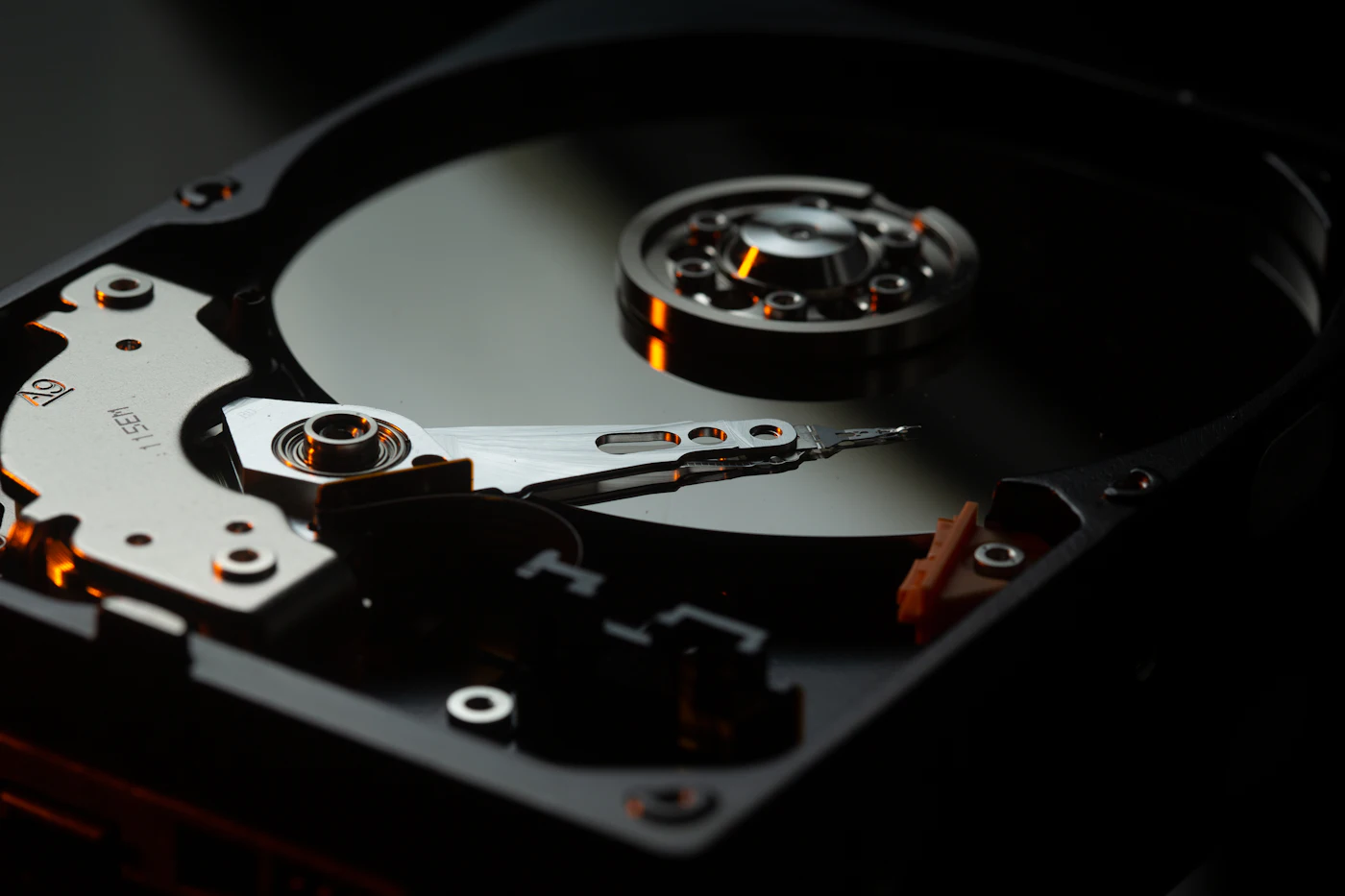
09Other IT Hardware
Storage, peripherals, power, racks and anything not listed above.
6 specification axes
Photography · Nana Dua · Olivier Collet · Domaintechnik · Andrey Matveev · Michael Dziedzic · Scott Rodgerson · Nubelson Fernandes · The Average Tech Guy · benjamin lehman
What a price depends on
With accelerators, the card that fits matters as much as the chip on it. The same silicon ships in modules that need a purpose-built baseboard and in PCIe cards that drop into a normal server, and they are not swappable. Tell us the chassis and we can check it fits before we quote.
Typical requirements
- Training and inference nodes
- Render and simulation workstations
- Adding VDI density to existing hosts
Quoted against
- Model and generation
- 01
- Memory capacity
- 02
- Form factor (SXM, PCIe, OAM)
- 03
- Power draw
- 04
- Interconnect
- 05
- How many
- 06
Two things trip up processor orders: the socket the board will actually take, and whether you want tray or boxed. Tray is cheaper and comes without a cooler. Boxed costs more and carries a different warranty. Say which you want and the quote will be right first time.
Typical requirements
- Second-socket fills on existing servers
- Workstation upgrades
- Spares held against a platform
Quoted against
- Socket
- 01
- Cores and threads
- 02
- Base and boost clock
- 03
- TDP
- 04
- Tray or boxed
- 05
- How many
- 06
Whole machines get quoted as builds, not part numbers. Rack units, drive bays, backplane type, PSU redundancy and rails all have to be decided before anyone can price it. If you have a build sheet from a previous order, send that.
Typical requirements
- Rack build-outs
- Storage and backup nodes
- Branch and edge kit
Quoted against
- Vendor and platform
- 01
- Rack units
- 02
- Drive bays and backplane
- 03
- PSU redundancy
- 04
- Rails and bezel
- 05
- How many
- 06
Memory is quoted against the board, not on its own. A server board will refuse unbuffered modules outright, and a desktop board will refuse registered ones. Speed drops as you fill more slots, so the number on the module is a ceiling rather than a promise. Send the board model and how many slots you are filling.
Typical requirements
- Adding capacity per socket
- Matched kits for a new build
- Spares that match what is already installed
Quoted against
- DDR generation
- 01
- Capacity per module
- 02
- Speed
- 03
- RDIMM, UDIMM or LRDIMM
- 04
- Rank
- 05
- Kit or singles
- 06
A board has to carry the processor, the memory population, the cards and the physical envelope of the case. Socket and chipset narrow it down; lane count and slot layout usually decide it. Send the case model too if the build is going into something specific.
Typical requirements
- Standardising on one platform
- Board-level replacements
- Repeat custom builds
Quoted against
- Socket and chipset
- 01
- Form factor
- 02
- DIMM slots
- 03
- PCIe lanes and slots
- 04
- Onboard networking
- 05
- How many
- 06
We quote networking end to end because the pieces have to agree. A switch, an optic and a patch lead that disagree on speed, media or coding are three separate problems on install day. Tell us both ends of the link and the distance between them.
Typical requirements
- Top-of-rack refreshes
- Uplinks and optics
- Structured cabling for a fit-out
Quoted against
- Port speed
- 01
- Port count
- 02
- Media (SFP+, QSFP, RJ45)
- 03
- Optic coding
- 04
- Cable length
- 05
- How many
- 06
Fleet orders are worth pinning down early. Model line, CPU, RAM, storage, panel and keyboard layout, fixed once, means every unit images the same way and one spare covers the batch. Mid-order model refreshes are the usual reason that stops being true.
Typical requirements
- Fleet rollouts and refreshes
- Mobile workstations
- Onboarding stock
Quoted against
- Model line
- 01
- CPU, RAM and storage
- 02
- Display panel
- 03
- Keyboard layout
- 04
- Warranty term
- 05
- How many
- 06
Handsets are region-sensitive. Model variant, storage tier and band support all change with the market a unit was made for, and so does what we can get hold of. Tell us where they are being deployed and whether you need retail packaging.
Typical requirements
- Field and frontline rollouts
- Corporate device programmes
- Regional deployments
Quoted against
- Model and variant
- 01
- Storage tier
- 02
- Region and bands
- 03
- Colour
- 04
- Packaging
- 05
- How many
- 06
Drives, controllers, PDUs, rails, KVM, peripherals, odd one-off components. Same process as everything else. If you can describe it well enough for us to identify it, we can go and look for it.
Typical requirements
- Drive and storage orders
- Rack and power accessories
- Hard-to-find parts
Quoted against
- Category
- 01
- Manufacturer
- 02
- Model or part number
- 03
- Spec
- 04
- How many
- 05
- Delivery deadline
- 06
Nothing here matches what you need? Ask anyway. Storage, controllers, PDUs, rails, KVM, peripherals and one-off parts all go through the same process.